Chikung-Taichi
Our Scientific System
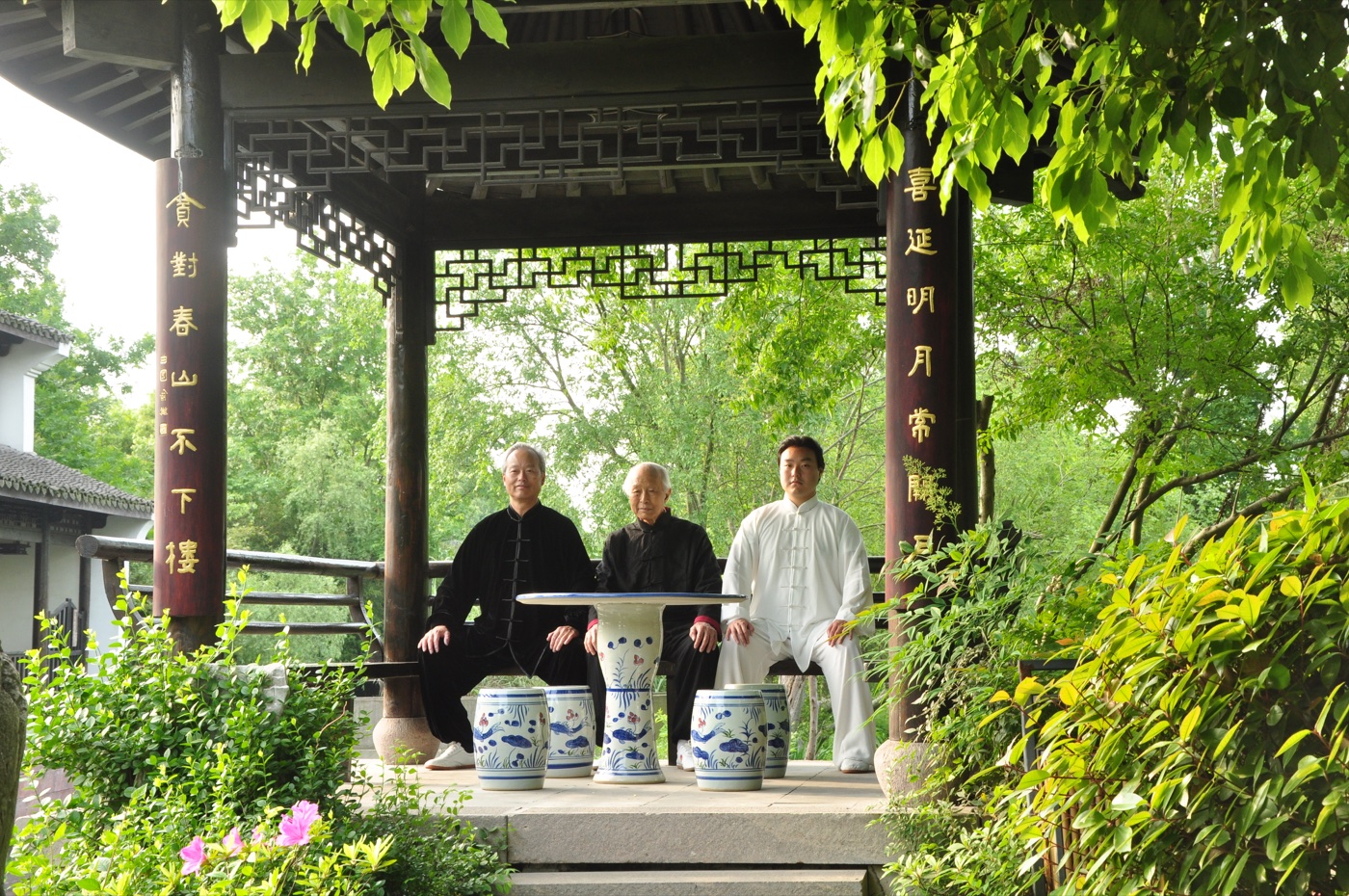
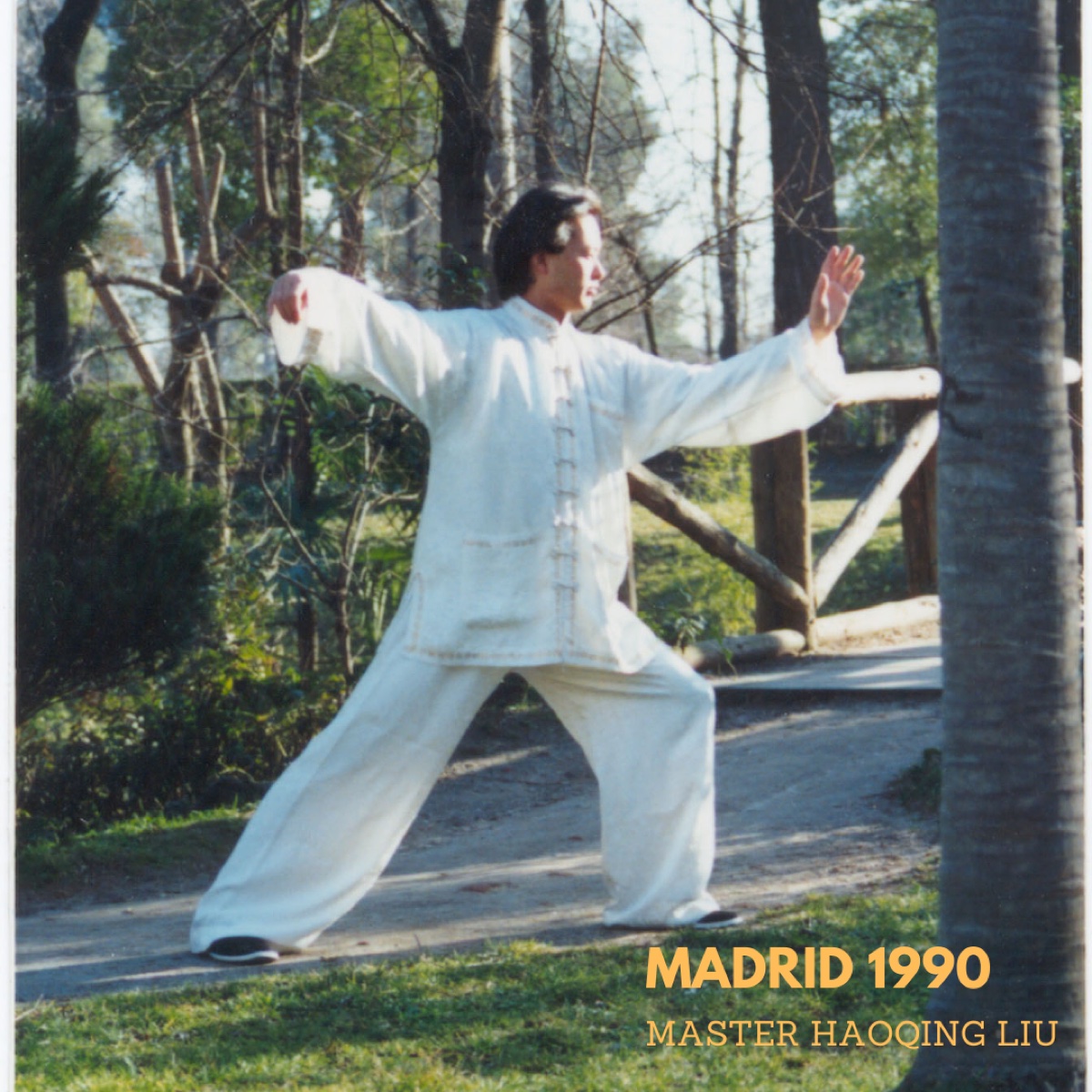
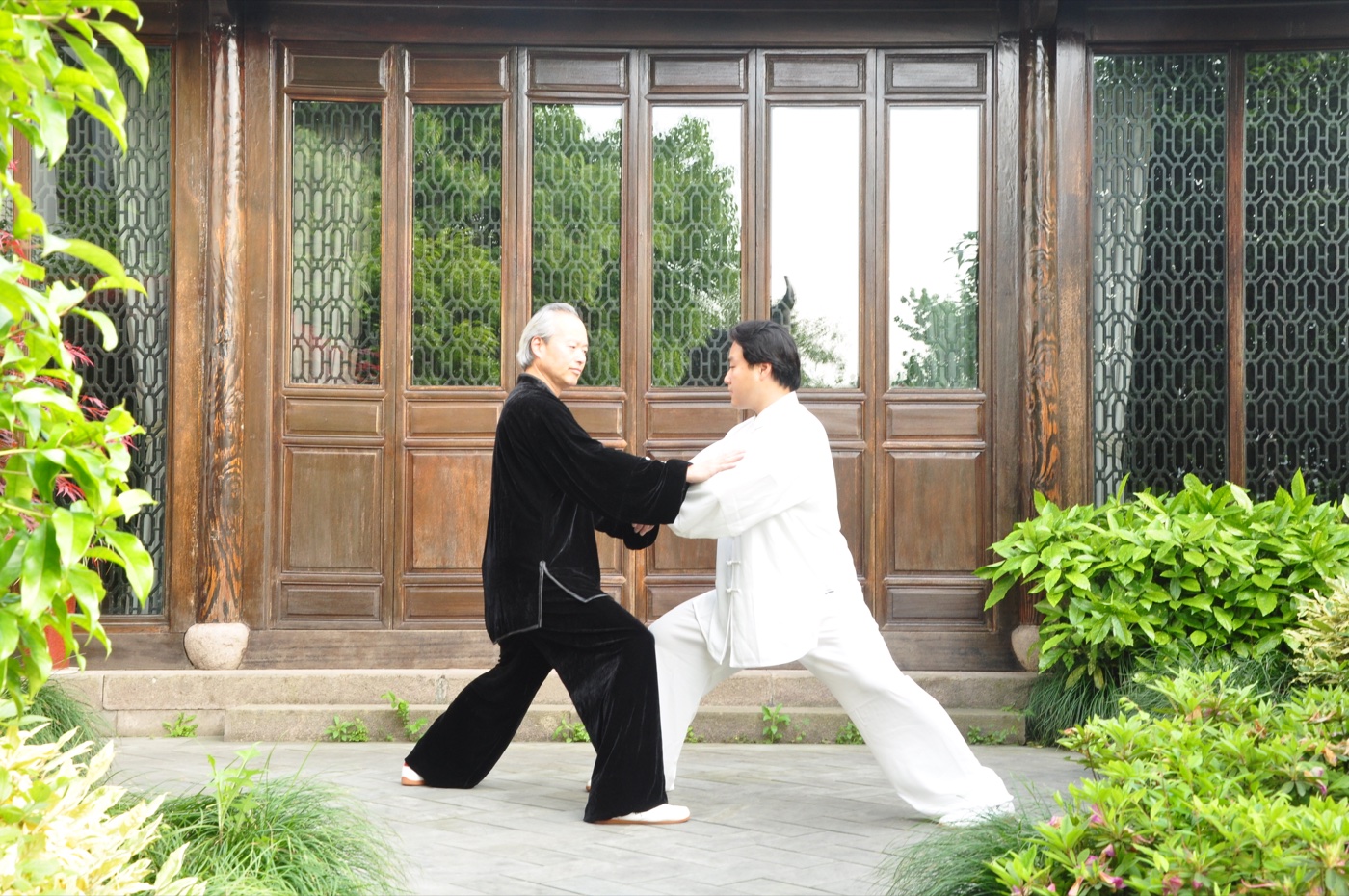
In 1985, Master Haoqing Liu, for the first time in the history of Tai Chi, fused the principles and practice of this martial art with Qigong, creating a new therapeutic branch focused on preventative medicine: the Qigong-Tai Chi System. This transformation involved a profound adaptation and personalization of the practice to address the specific health conditions of each student. Furthermore, the term ``Chuan'', which identified Tai Chi Chuan as a martial art, was eliminated, and the system became known simply as Tai Chi, a term that opens this art to the exploration of internal work through the dynamics of Yin and Yang. This new system is based on the principles of Traditional Chinese Medicine and therapeutic Qigong, excluding any martial component related to attack, defense, or confrontation, as these are incompatible with the therapeutic approach.
The System Chikung-Taichi is the result of an extensive process of research and personal development.
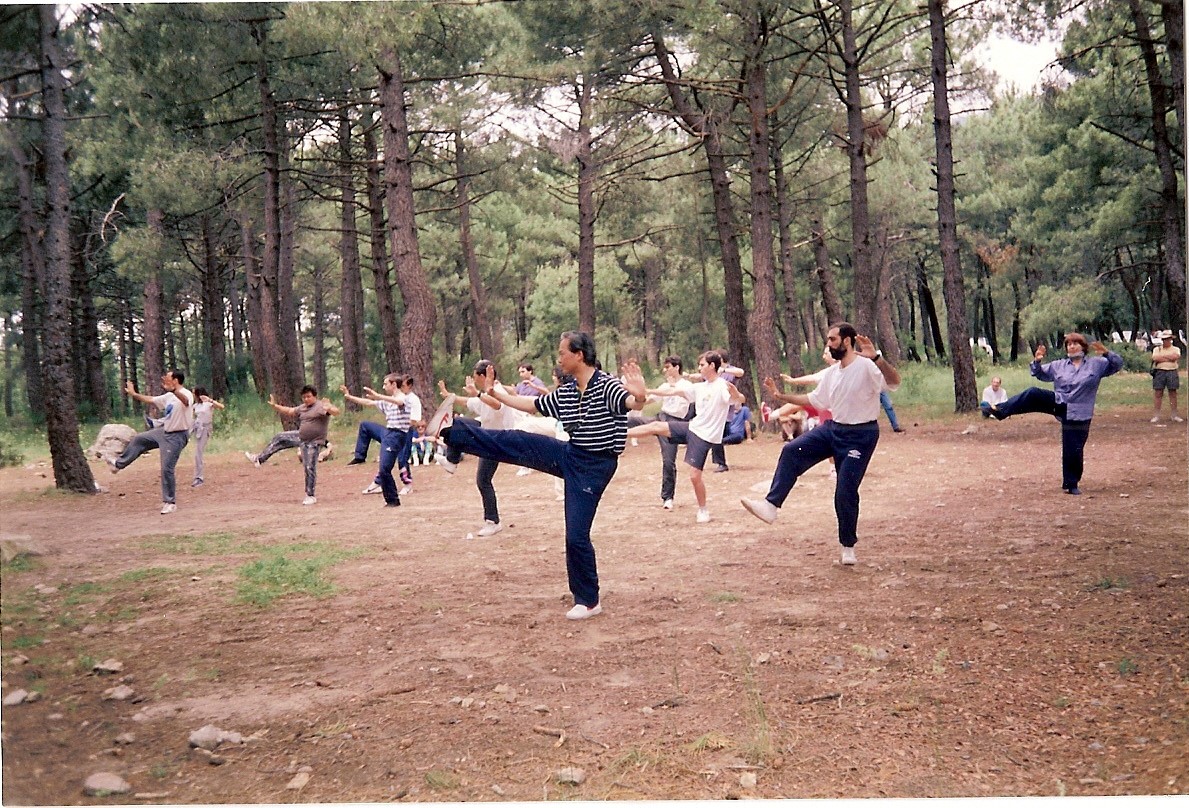
What it is for
The practice of Chikung-Taichi creates such a degree of relaxation and harmony that it is an ideal way to relieve tension, worries, and stress—problems that many of us experience when living in large cities.
In addition to developing intelligence and memory, it is used as a complementary approach for a wide range of conditions, including heart-related problems, rheumatic conditions, obesity, arthrosis, arthritis, circulation issues, muscular pain, and hypertension.
All of this is possible because regular practice produces a general increase in strength, deep relaxation, overall well-being, and inner peace, resulting in a significant reduction of stress.
What it offers
Through the practice of Chikung-Taichi we can enjoy a better quality of life, as it enhances vitality, strength, and inner harmony. These qualities help restore the sense of youthfulness, freshness, and vitality that we all desire.
It also helps prevent illness and supports alternative ways of treating health conditions by promoting a natural balance between body and mind.
In China it is considered a cultural treasure, the result of the experience of great masters who applied their knowledge to develop practices that foster happiness in human life: longevity, strength, vitality, beauty, and harmony.
Who it is for
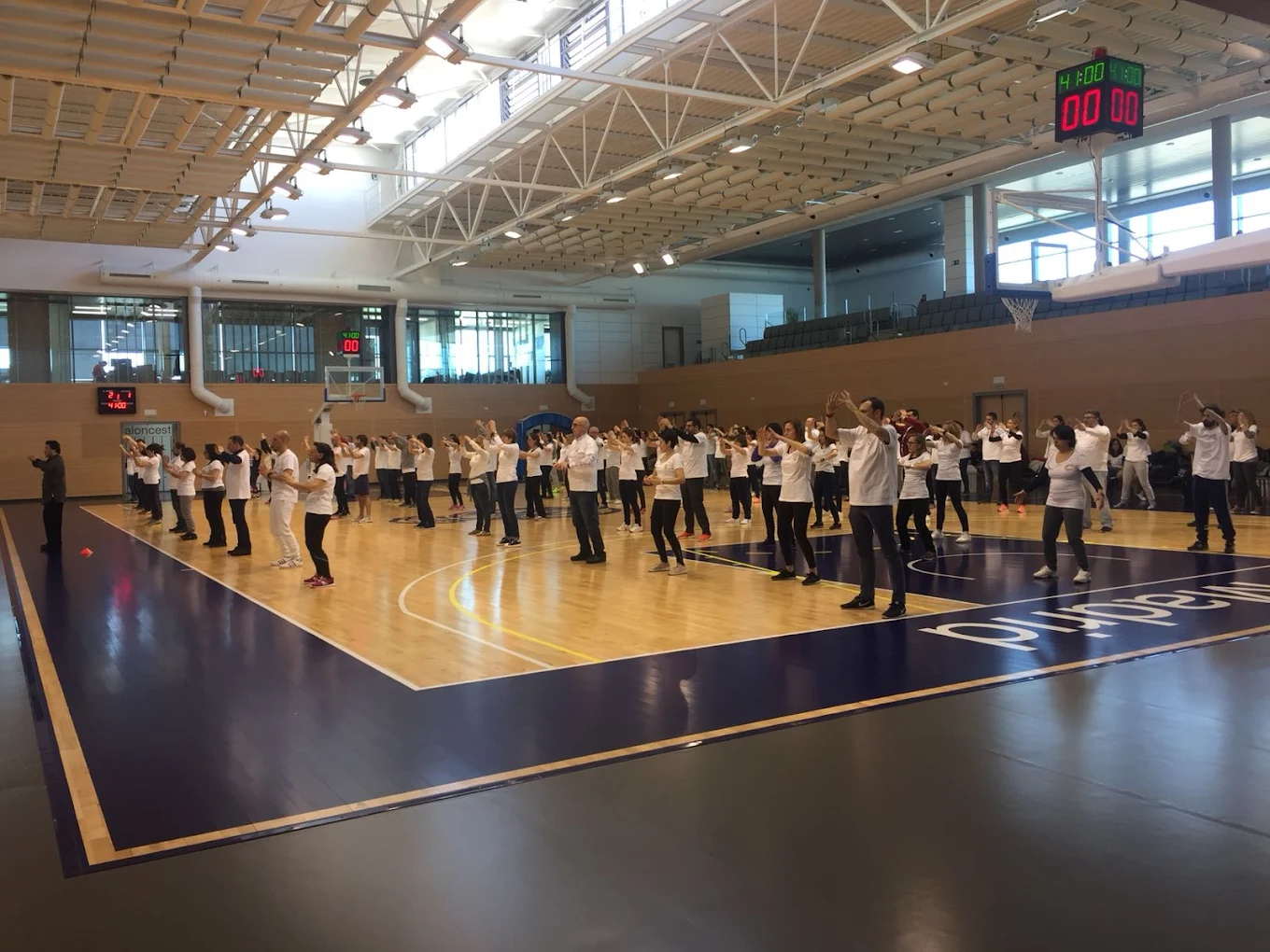
For anyone, at any age. In China it is practiced across all age groups as a form of daily exercise and relaxation.
What modern medicine says
According to contemporary medicine, factors such as stress, worries, tension, and a negative mindset play a major role in triggering what we call illness. For this reason, many doctors today recommend Chikung-Taichi to their patients because of the many benefits it provides, helping restore balance in the flow of “chi”.